The best parts about officiating weddings
Declaring two people married is an incredible honor. You’re getting to spend time with them on one of the best days of their lives. It’s many hours of work to craft and oversee the perfect wedding ceremony, but the end result is worth it even if the pay is low. I get to put a pin in this one day, a day that the couple will reflect on for years to come. I’ve never done work more satisfying.
Here are just a few of the reasons why I relish being in the marrying business:
Happiness is infectious
Weddings are happy occasions. Everyone there is rooting for the day to go well, and the guests of honor are surrounded by professionals who know how to ensure that it does. Caterers, photographers, florists, musicians, videographers, and officiants have seen it all—which means that even if there is a snafu, you might not see it yourself. That makes it all the easier to be lifted up on the rush of wedded bliss and yes, that is infectious! When I see the love shared before those guests, it puts a pep in my step. Weddings keep me happy, and weddings keep me young.
Couples are creative
I am a resource for what to do to personalize a wedding, but thankfully officiants are not the only resource or these ceremonies would become very, very boring. Couples propose novel ideas to me all the time, and I love that! I am up for anything, and I don’t want to get stuck in the rut of doing the same old thing. Need me to attend in a cloak, a Santa outfit, or birthday suit? I’m game. Want to exchange rings in the middle of a babbling brook without dropping one in the water? Let’s work it out. Need me to learn a blessing in a real or fictional language? Just get me the phonetics. Need to figure out how to incorporate bees into the ceremony? I’ll help you tell them about it. I’ll always suggest ideas if they fit with your style, but your imagination can take the lead whenever you like.
Fashion is fabulous
Those in a wedding party always like to put their best foot forward, but really everyone who goes to a wedding is saying something with their clothes. I love to see what people are wearing. My typical look includes tight braids, a stole over a sport jacket, and smart pair of Converse. Most bridal gowns have been white for a long time, but even if you stick with that tradition there is a lot of flair that can be added—especially for attendants. Guests have an even more free range.
Wedding venues are stunning
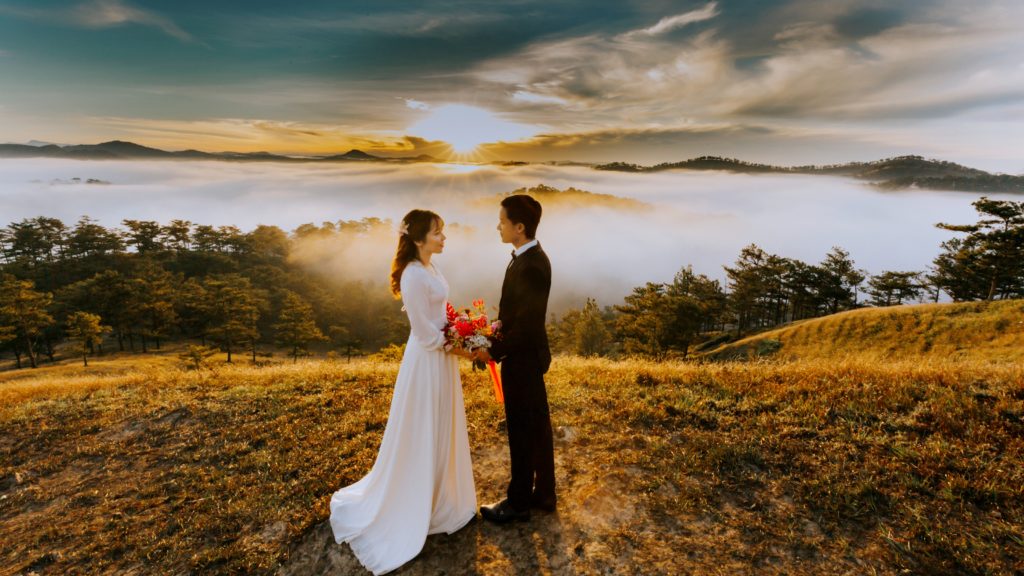
I’ve celebrated weddings on Hudson bluffs, in swanky catering halls, venerable chapels, decorated weekend rentals, lovingly appointed backyards, at the top of ski lifts, and at serene meditative resorts and city parks. No two are alike, but one quality they share is that they all are beautiful. Even if the weather is ominous, the location is invariably perfect, and it’s a real treat to get to see these locations when they’re being used for such a joyous occasion.
The secret is that weddings are magical, and wherever you choose to have yours, it’s going to be fantastic. This is a peak rite of passage that transcends culture and tradition. We have been choosing to marry for well over 43 centuries, and that’s only including what’s known from written records. It is an ancient practice that brings to bear the presence of our ancestors. There is a lot of seen and unseen forces working to ensure that beauty is all that remains for this day, and I bask in every moment.
Yes, the organizing can be stressful at times because there are a lot of factors to consider, but when you look back at your wedding, you will find that on this day, in this place, with these loved ones, this is a high point. It is my heartfelt honor to be part of your special day.